No matter how well-constructed, every home or commercial structure will, at some point, begin to exhibit signs of age. Cracks in the walls, floors that sag, and basement walls that bow – these aren’t merely surface-level issues. These signs point to deeper structural issues demanding prompt action.
Structural repairs are all about identifying and rectifying issues when a building’s core components are compromised. This encompasses the foundation, walls, beams, and anything else constructed from concrete.
If you’re facing structural problems in a house, or if you’re responsible for a commercial property, understanding your options can save you a fortune and protect lives. This guide outlines a range of services, from underpinning foundations and basement repairs to commercial concrete restoration and general structural fixes for buildings.
What Are Structural Repairs?
Structural repairs are about restoring a building’s integrity by fixing and fortifying weaknesses in the base. This includes:
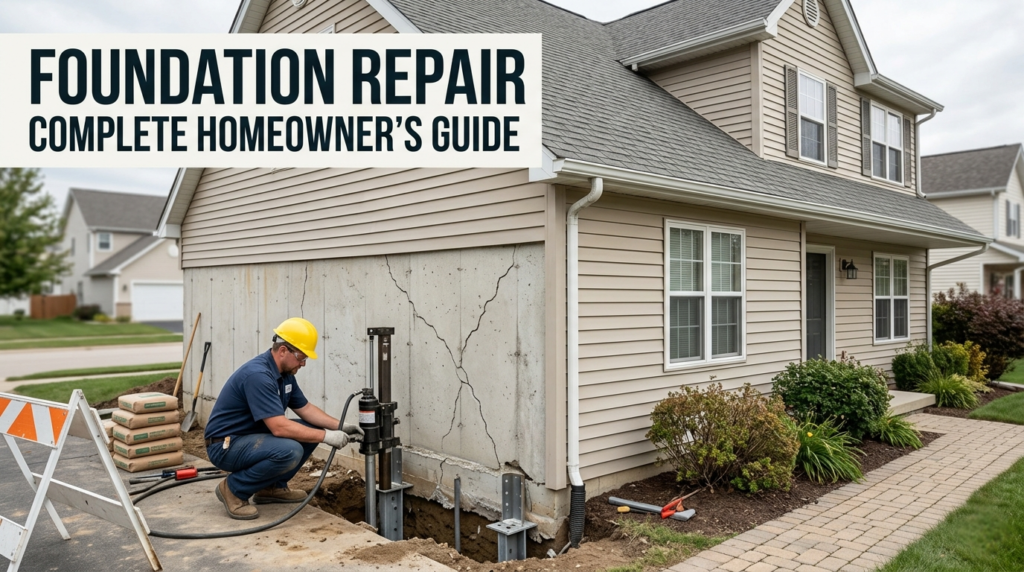
- Underpinning to raise and stabilize settling structures
- Repairing basement walls that have buckled or cracked
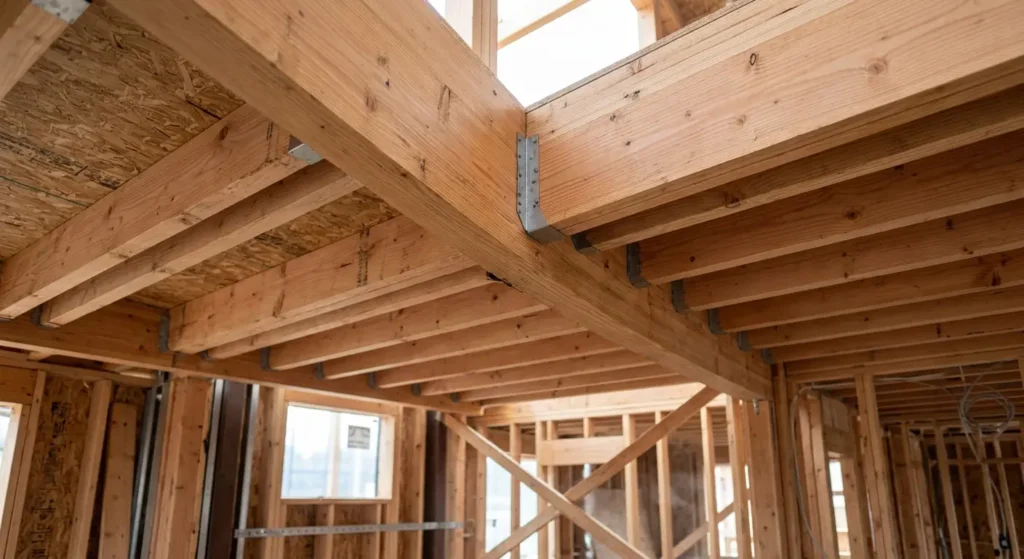
- Replacing or strengthening beams and joists
- Commercial concrete repair for slabs, columns, and parking structures
- Structural fixes for multi-story or load-bearing walls
These repairs go beyond surface-level fixes and address the root causes of structural failure, helping to avert future problems.
Identifying Structural Problems Early
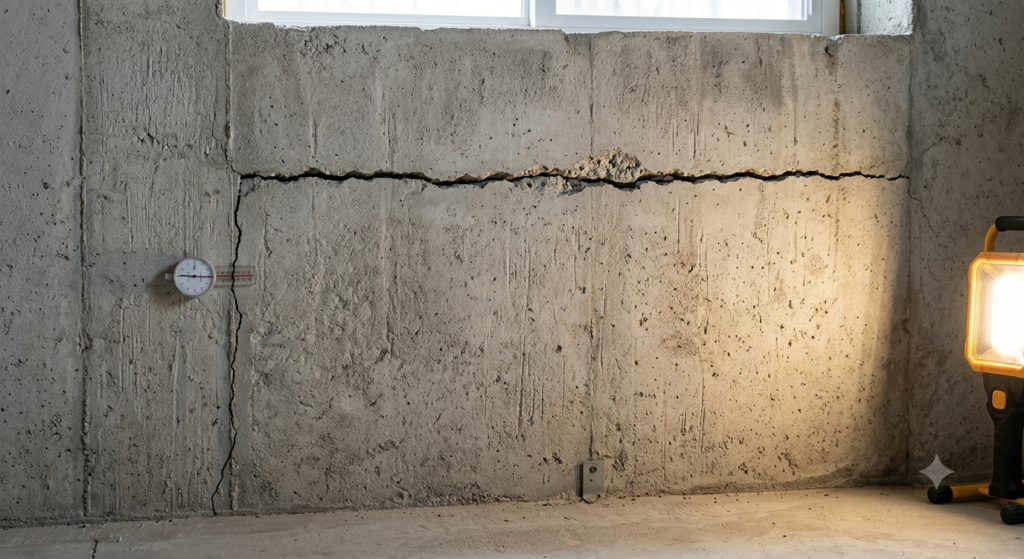
Foundation Cracks
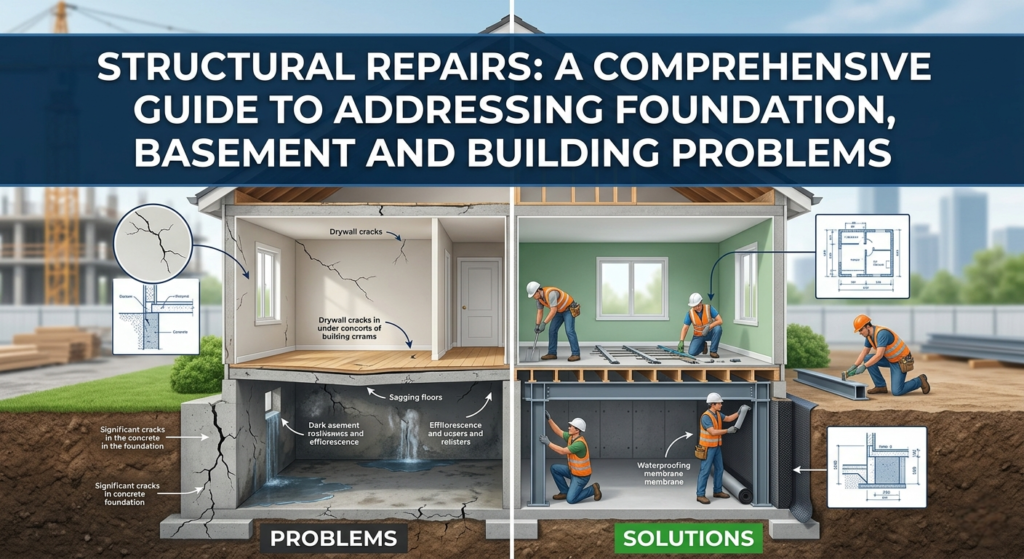
Horizontal cracks in basement walls are a cause for alarm, indicating excessive lateral soil pressure. Vertical and diagonal cracks could suggest foundation settlement. If you spot any cracks wider than a quarter of an inch, contact a foundation expert without delay.
Uneven or Sagging Floors
If your floors slope, feel bouncy, or seem unusually soft, the issue might lie with compromised joists, beams, or a settling foundation.
Doors and Windows That Stick
When a building shifts because of foundation movement, door and window frames can become misaligned and difficult to close.
Bowing or Leaning Walls
Bowing or leaning walls, whether in a basement or on the exterior, are signs of serious stress or a failing foundation.
Water Intrusion and Dampness
Persistent moisture in basements and crawl spaces gradually degrades concrete and wood, setting the stage for significant structural issues.
Foundation Underpinning
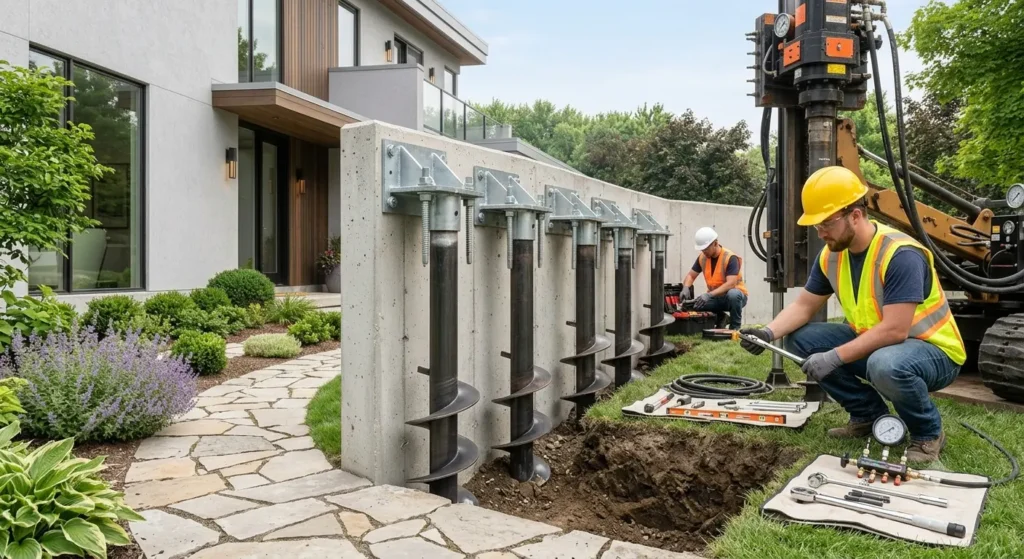
Foundation underpinning is a key solution when a foundation is sinking or otherwise in trouble — essentially giving the foundation a better grip.
When Underpinning Is Needed
- The soil supporting your foundation has shifted or worn away
- You’re adding a new floor or a heavy structure overhead
- Nearby construction has disturbed the surrounding soil
- Tree roots have made their way under the foundation
- Water damage has weakened the soil underneath
Common Underpinning Methods
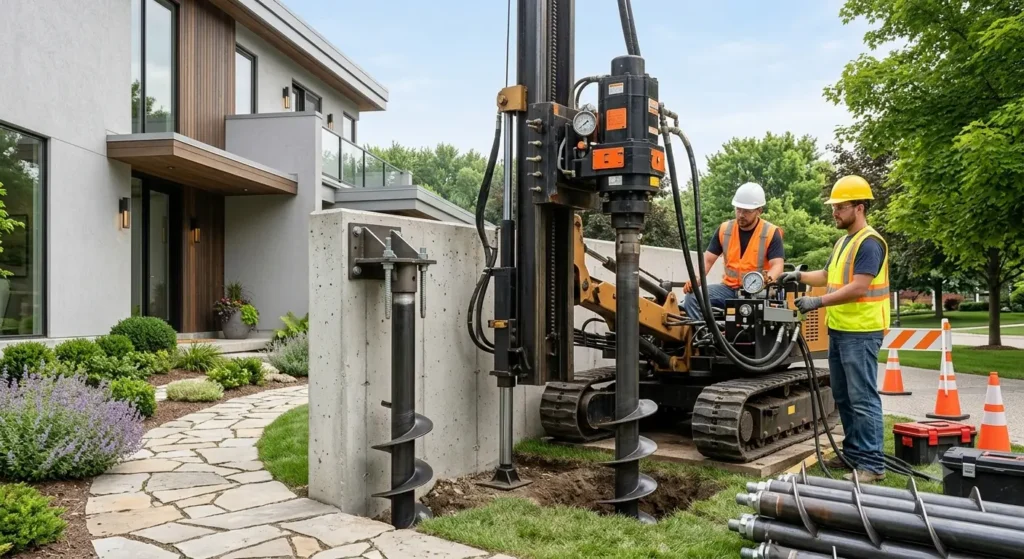
Common methods include mass concrete underpinning, mini-piled underpinning, and helical pier systems. A structural engineer will assess your specific requirements and recommend the most suitable approach.
Basement Structural Repair
Your basement is the first line of defense against shifting soil, water pressure, and overall stress on your foundation. Basement structural repair deals with cracked or crumbling walls, walls bowing inward from hydrostatic pressure, floor heaving from expansive soil, efflorescence, and unsound support columns or piers.
Repair methods depend on the severity of damage and may involve carbon fiber straps, wall anchors, I-beam systems, or, in serious cases, rebuilding the entire wall.
Home Structural Repair
Home structural repair covers anything needed to preserve the fundamental soundness of a house, including:
- Sealing and injecting foundation cracks
- Encapsulating crawl spaces and strengthening beams
- Repairing or reinforcing load-bearing walls
- Replacing posts and beams
- Leveling and stabilizing concrete slabs
Before any repairs begin, it’s best to have a licensed structural engineer inspect your home.
Commercial Concrete Repair
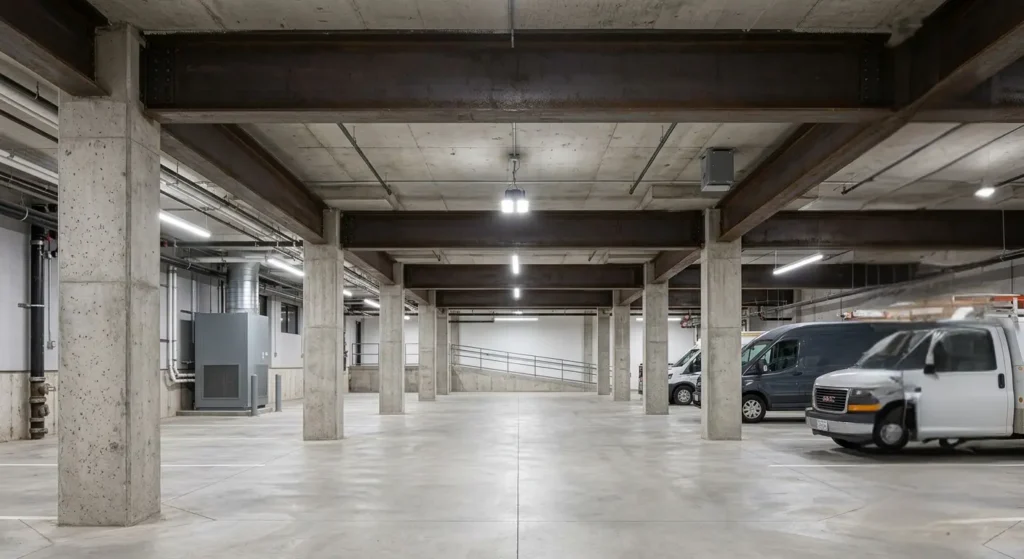
Commercial properties face unique structural challenges due to higher load requirements, more foot traffic, and stricter building codes. Commercial concrete repair includes repairing parking garage slabs and columns, tackling spalling and delamination, injecting and sealing cracks, restoring industrial floors, and applying waterproofing coatings.
Building Structural Repairs: A Broader Perspective
For larger structures like apartment buildings, office towers, and warehouses, addressing structural issues requires a comprehensive evaluation of the entire framework. Key components include reinforcement of steel beams and columns, restoration and repointing of masonry, repair of post-tensioned slabs, seismic retrofitting, and improved drainage and waterproofing systems.
How to Choose the Right Structural Repair Company
Start by confirming the company holds the necessary licenses and insurance. Beyond that:
- Find experts with similar project experience
- Look for positive reviews and convincing examples
- Request detailed, written estimates and warranties
- Verify partnerships with licensed structural engineers
- Avoid unusually cheap estimates without a proper inspection
What Will Structural Repair Cost?
| Repair | Typical Cost |
| Minor foundation crack fixes | $500 – $3,000 |
| Foundation underpinning | $5,000 – $30,000+ |
| Basement wall repair | $4,000 – $15,000 |
| Beam or joist replacements | $2,000 – $10,000 |
| Commercial concrete projects | $3,000 – $50,000+ |
Addressing these problems early on is always the most cost-effective approach.
Final Thoughts
Don’t delay in addressing structural problems. When a house begins to show its age, whether it’s a shaky foundation or more severe structural concerns, prompt repairs are essential. Watch for warning signs, consult a licensed professional, and hire an experienced contractor. With the right people and a well-thought-out strategy, structural repairs can bring your property back to its best, lasting for years.
Need Help with Structural Problems?
Browse our guides at Guide Home Repair for expert advice on all types of home and building structural issues.