
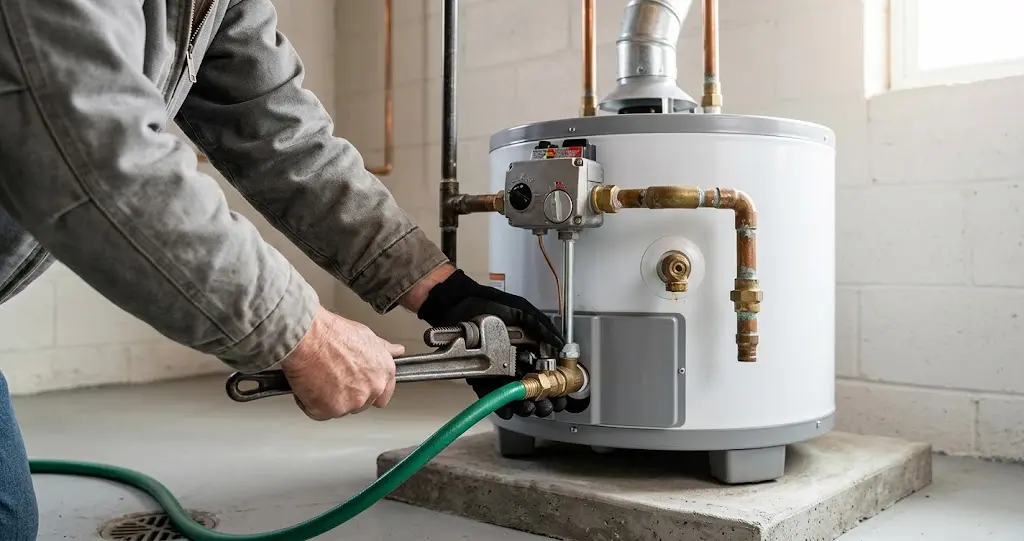
Water Heater Repair helps homeowners recognize water heater issues and understand when repairs may be necessary. From inconsistent water temperatures and strange noises to leaks, rusty water, and insufficient hot water, these problems can affect everyday comfort and increase energy costs. This guide to Water Heater Repair explores common causes, practical troubleshooting steps, and warning signs that should never be ignored.
Whether you use a gas, electric, or tankless water heater, knowing the symptoms can help you decide when to seek professional assistance. Understanding these issues early may prevent further damage and unexpected expenses. With the right Water Heater Repair knowledge, you can learn about possible solutions, routine maintenance, and when replacing an aging unit may be the better option for your home.
Warning Signs Your Water Heater Needs Repair
Watch for these early signals:
- Fluctuating water temperature that swings from hot to cold
- Rumbling, popping, or banging noises from the tank
- Rusty or discolored water from the hot tap
- Pooling water around the base of the unit
- Higher energy bills with no change in usage
- Slow hot water recovery after a shower
First, check the breaker or relight the pilot. If that fails, replace the part.## 10 Common Water Heater Problems and Solutions
No Hot Water at All
A failed heating element or a tripped breaker causes this on electric models. On gas units, a dead pilot light or faulty thermocouple is the usual culprit. First, check the breaker or relight the pilot. If that fails, replace the part.
Not Enough Hot Water
An undersized tank or a broken dip tube often shrinks your supply. In addition, a burned-out lower element cuts capacity by half. Test the elements with a multimeter, then swap the bad one.
Water Too Hot or Too Cold
A misadjusted thermostat sits behind most temperature complaints. Set it to about 120°F for safety and savings. If the setting will not hold, replace the thermostat.
Strange Noises from the Tank
Sediment buildup hardens at the bottom and makes the water boil and pop. As a result, the heater works harder and wastes energy. Flushing the tank twice a year clears most of it.
Leaking Tank or Fittings
Check the drain valve, pipe connections, and the pressure relief valve first. Tightening a loose fitting fixes many leaks. However, a leak from the tank body means internal corrosion, and you need a replacement.
Rusty or Smelly Water
A worn anode rod lets the tank rust from the inside. A rotten egg smell points to bacteria reacting with the rod. Replace the rod and flush the tank. Meanwhile, rust in cold water too suggests corroded pipes, so read our pipe repair and replacement guide for next steps.
Pilot Light Keeps Going Out
Drafts, a dirty pilot tube, or a weak thermocouple blow the flame out. Clean the pilot assembly and test the thermocouple. Because gas is involved, call a licensed technician if the flame still fails.
Leaking Pressure Relief Valve
This valve protects your tank from dangerous pressure. It drips when pressure or temperature climbs too high. Lower the thermostat, then replace the valve if it keeps dripping.
Low Water Pressure from Hot Taps
Mineral scale clogs the outlet pipe and the tankless heat exchanger. Descaling with vinegar restores flow. A clogged aerator can mimic the same problem. Our faucet and fixture repair guide explains the fix.
Slow Recovery and High Energy Bills
Scale coats the elements and cuts energy efficiency. Flush the tank and insulate exposed pipes. If the heater is past age ten, consider a newer model.
More Read: Leak Detection & Repair: Find Hidden Leaks Before They Cause Damage
Quick Troubleshooting Table
| Problem | Likely Cause | Fast Fix | DIY or Pro |
| No hot water | Bad element or pilot | Reset breaker, relight pilot | DIY then Pro |
| Popping noises | Sediment | Flush tank | DIY |
| Tank leak | Corrosion | Replace unit | Pro |
| Rusty water | Failed anode rod | Replace rod | DIY or Pro |
| Dripping valve | High pressure | Lower thermostat | Pro |
| Inconsistent heat | Faulty thermostat | Replace thermostat | DIY or Pro |
Repair or Replace: How to Decide
Not every fault deserves a new heater. Use this simple checklist.
Repair your heater when:
- The unit is under ten years old
- The tank shows no leaks or rust
- The fault involves one part, such as an element or thermostat
Replace your heater when:
- The tank itself leaks
- The unit is older than twelve years
- Repair bills exceed half the price of a new model
More Read: Plumbing Repair: What Every Homeowner Should Know Before Something Goes Wrong
Safety First: When to Call a Professional
Turn off the power or gas supply before any repair. Then drain the tank before you touch internal parts. Call a licensed plumber for gas leaks, a leaking tank, or any repeated pressure valve discharge.
Maintenance Tips to Prevent Future Problems
Regular care extends water heater lifespan and cuts repair bills. Follow this routine:
- Flush the tank every six months
- Test the pressure relief valve once a year
- Keep the thermostat near 120°F
Finally, watch for moisture near walls and ceilings. A slow leak can stain drywall quietly, and our ceiling repair guide shows how to handle the damage.
More Read: Drain & Sewer Line Repair Guide: Problems, Causes & Solutions
More Read: Home Waterproofing Guide: Protecting Your Basement, Crawl Space, and Foundation
Frequently Asked Questions
How long does a water heater last?
Tank models last eight to twelve years, and tankless models can reach twenty.
Why is my water heater making noise?
Sediment buildup at the bottom of the tank usually causes popping or rumbling.
Can I repair a water heater myself?
You can handle flushing, thermostat changes, and element swaps, but leave gas and tank leaks to a pro.
How much does water heater repair cost?
Most repairs cost between 150 and 600 dollars, depending on the part and labor.
Is a leaking water heater dangerous?
Yes, because it can cause water damage, mold, and electrical hazards, so shut off power and water right away.
What temperature should I set my water heater to?
Set it to 120°F to balance safety, comfort, and energy savings.
Conclusion
Strange noises, rusty water, and uneven temperatures usually point to fixable faults. Flush your tank, check the anode rod, and respect the safety rules. Above all, call a licensed plumber when gas, pressure, or a leaking tank enters the picture.
Pingback: Water Softener Repair: Fix Common Problems Step by Step