
A tiny drip behind a wall can wreck a home in silence. You may not see it for weeks. Meanwhile, the moisture rots wood, feeds mold growth, and pushes your water bill higher.
Leak detection and repair stops that cycle early. This guide explains how pros find hidden leaks, which signs deserve attention, and when to call a licensed plumber. Besides that, you will learn simple steps that protect your property.
What is Leak Detection?
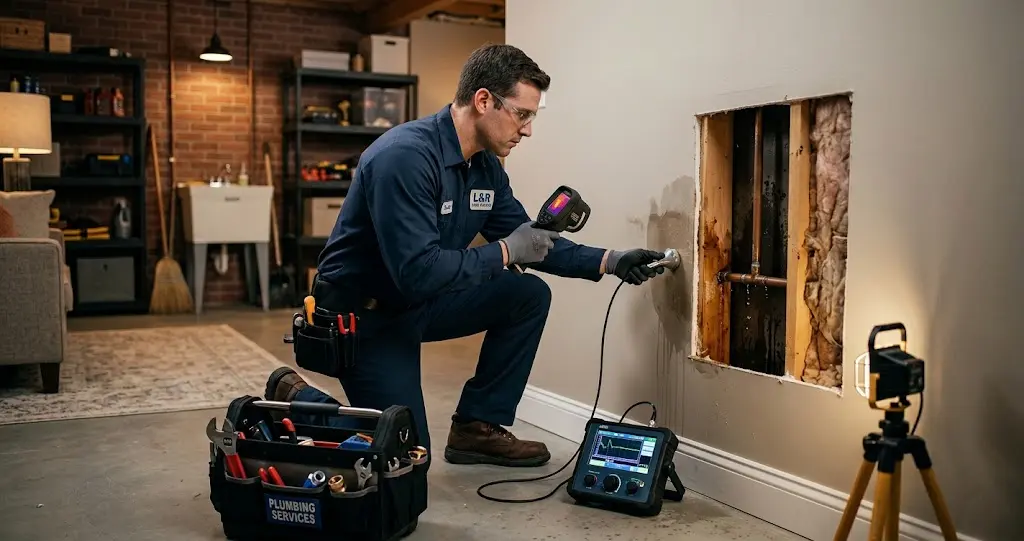
Leak detection is the process of locating the exact source of a water leak without tearing apart your home. Technicians use specialized equipment to track down a concealed leak inside walls, ceilings, floors, and slab foundations. Therefore, you pay for a small repair instead of a large demolition.
A proper leak inspection answers three questions. Where is the leak? What caused it? What is the best fix?
Common Signs of a Leak
Hidden leaks often leave clues. Watch for these warning signs:
- A water bill that jumps with no change in habits
- Water meter movement while every fixture is off
- Damp spots, water stains, or peeling paint on walls and ceilings
- A musty odor in closets, basements, or crawl spaces
- Warm patches on the floor, which can point to a hot water line break
- Low water pressure in one or more rooms
- The sound of running water when nobody uses a tap
However, one sign alone does not confirm a leak. Two or more signs together, on the other hand, call for a professional check.
More Read: Pipe Repair and Replacement: Step-by-Step Homeowner Guide
Modern Leak Detection Techniques
Today’s technicians rarely guess. They rely on non-invasive tools that read what the eye cannot see.
| Technique | What It Finds | Best Used For |
| Acoustic listening devices | The hiss or vibration of escaping water | Pressurized pipes and slab leaks |
| Infrared thermal imaging | Temperature changes caused by moisture | Wall, ceiling, and roof leaks |
| Moisture meters | Water trapped in building materials | Confirming wet drywall or subfloor |
| Tracer gas testing | Escaping gas in sealed lines | Hard-to-reach pipe systems |
| Sewer camera inspection | Cracks, roots, and blockages | Drain line leaks |
| Pressure testing | Pressure drops in water lines | Verifying a leak before repair |
Pros often combine two or three methods. This approach confirms the result and avoids needless digging.
What is Trace & Access?
Trace and access is the second half of the job. First, the technician traces the leak to its exact point. Then the team opens only that small area to reach the damaged pipe.
This method keeps your finished surfaces intact. A trained crew cuts a precise opening, makes the repair, and restores the area. As a result, you avoid the mess and cost of broad demolition.
Here is how the process usually flows:
- The technician inspects the home and reviews your symptoms
- The team scans with acoustic and thermal tools
- The crew marks the leak location on the surface
- A small access point is opened
- The pipe is repaired or replaced
- The area is tested, closed, and finished
More Read: Wall Repair: A Practical Guide to Cracks, Leaks, and Structural Damage
Slab Leak Detection and Repair
A slab leak happens when a water line under your concrete foundation breaks. It is one of the most serious hidden leaks. Warm floors, cracked tile, and a constant hiss are typical clues.
Slab leak detection uses acoustic gear and thermal imaging to pinpoint the break. Homeowners who search for slab leak detection near me or slab leak repair near me should pick a company with proven slab experience. In addition, ask whether the crew offers tunneling, spot repair, or repiping, because the right choice depends on pipe age and damage.
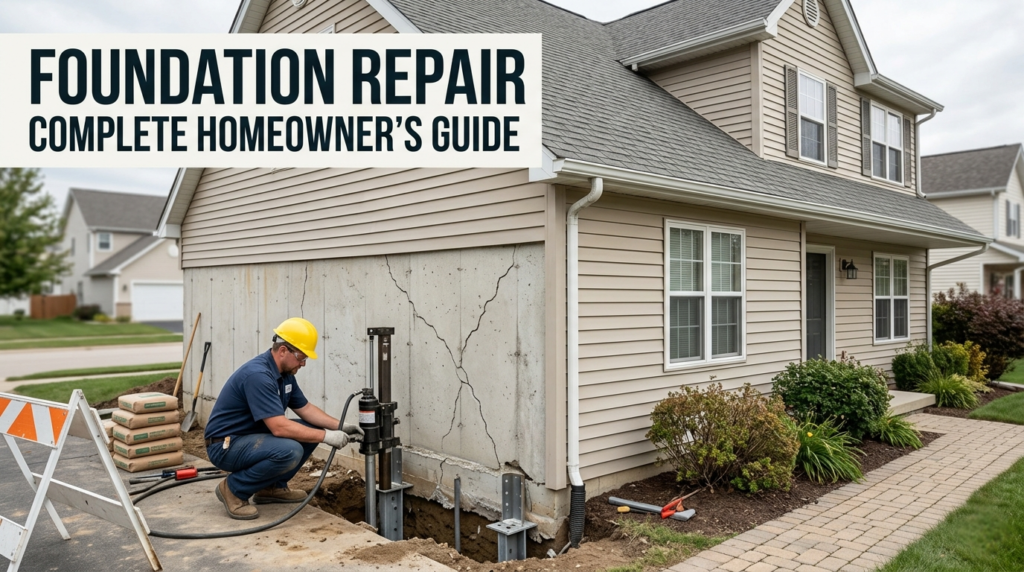
Foundation shifts can also trigger these breaks. For that reason, many owners read about foundation repair when a slab leak appears.
Emergency Leak Detection in NJ
Some leaks cannot wait. A burst line floods a home within minutes. Homeowners who need emergency leak detection NJ should shut off the main valve first, then call a local team that answers around the clock. Freezing winters in New Jersey make burst pipes especially common, so fast response matters.
Leak Repair Options Compared
The right fix depends on the leak type, pipe material, and location.
| Repair Method | How It Works | Disruption Level |
| Spot repair | Replace one damaged pipe section | Low |
| Epoxy pipe lining | Coat the inside of the pipe to seal leaks | Low to medium |
| Pipe rerouting | Run a new line through walls or attic | Medium |
| Repiping | Replace aging pipes across the home | High |
| Slab tunneling | Dig beneath the slab to reach the pipe | Medium to high |
A plumber for leaks will explain every choice and give written estimates. Likewise, a reliable plumber for water leaks will find the root cause, not only patch the symptom.
More Read: Ceiling Repair: How to Fix Water Damage, Leaks, and Fan Problems
When Should You Call a Professional?
Simple checks work well as a first step. Read your water meter, wait two hours with all water off, and read it again. If the number changed, a leak exists. The EPA WaterSense program also shares helpful tips on finding household leaks.
Call a pro right away if you notice any of these:
- Water stains that keep growing
- Wet walls with no visible pipe nearby
- Cracks in tile or foundation near a wet area
- Any leak you cannot trace within a day
Searching for water leak repair near me is a good start. Still, check licenses, insurance, and reviews before you hire. Experience matters because poor repairs lead to repeat leaks.
Preventative Measures
Prevent Leaks Before They Start
Prevention costs far less than repair. These habits keep your plumbing healthy:
- Schedule a yearly leak inspection, especially in older homes
- Test your water pressure, since high pressure strains pipes
- Insulate exposed pipes before winter
- Replace worn hoses, washers, and supply lines every few years
- Install smart water sensors near water heaters, sinks, and washers
- Know where your main shut-off valve sits
- Keep gutters and drains clear to protect your foundation
Furthermore, good drainage around the house limits soil moisture near the slab. This step reduces stress on buried lines.
More Read: Home Waterproofing Guide: Protecting Your Basement, Crawl Space, and Foundation
Many owners also read the plumbing repair guide to learn basic fixes before trouble starts.
Frequently Asked Questions
How do I know if I have a hidden water leak?
Check for a rising water bill, a moving water meter, damp spots, and musty smells.
How much does leak detection cost?
Most jobs range from about one hundred to several hundred dollars, depending on the home and method.
Can a plumber find a leak without breaking walls?
Yes, acoustic tools, thermal cameras, and moisture meters locate most leaks without demolition.
What is slab leak detection?
It is the use of sound and heat technology to find broken water lines beneath a concrete foundation.
How long does slab leak repair take?
Most repairs take one to three days, depending on the method and access.
Does insurance cover leak detection and repair?
Many policies cover sudden leaks and the resulting damage, but not long-term wear, so check your policy.
Is it an emergency if I find a leak?
Yes, shut off the main valve and call a plumber when water flows freely or soaks building materials.
Conclusion
Hidden leaks do not fix themselves. They grow, spread, and cost more every week. Fortunately, modern leak detection finds them fast, and trace and access repairs them with little mess.
Watch for the warning signs, run a quick meter test, and act early. If you suspect trouble, hire an experienced plumber for a full leak inspection. Early action protects your home, your health, and your budget.

Pingback: Faucet & Fixture Repair: How to Fix Common Plumbing Problems - Guide Home Repair
Pingback: Drain & Sewer Line Repair Guide:Problems, Causes & Solutions - Guide Home Repair
Pingback: Sump Pump Repair: Common Problems, Costs, and Solutions - Guide Home Repair
Pingback: Well Pump Repair: Common Problems, Costs & Solutions - Guide Home Repair
Pingback: 7 Warning Signs Your Septic System Needs Repair - Guide Home Repair
Pingback: Water Heater Repair Guide: 10 Common Problems, Solutions - Guide Home Repair