
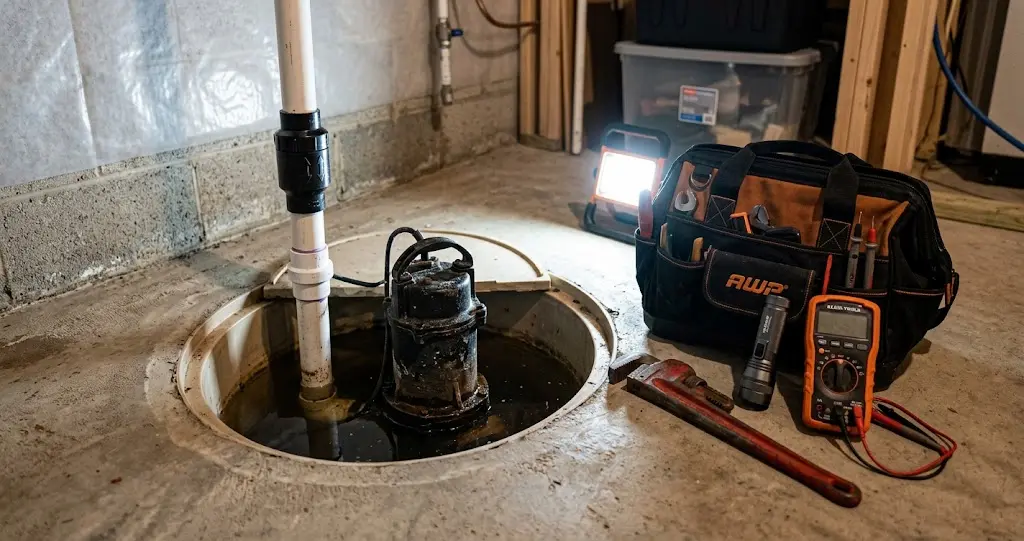
Sump Pump Repair helps homeowners understand common pump issues, identify warning signs, and protect their basements from unwanted water damage. A sump pump plays an important role in directing groundwater away from your home, especially during heavy rain or flooding.
When it stops working properly, you may notice unusual noises, continuous running, poor drainage, or water collecting around the sump pit. This guide to Sump Pump Repair explains common problems, possible causes, repair options, and factors that influence service costs.
Whether your pump has a faulty float switch, a blocked discharge pipe, or a motor problem, recognizing the symptoms early can help prevent expensive damage. Learning about Sump Pump Repair also helps you understand basic maintenance, when to contact a professional, and how to keep your basement drainage system working reliably.
What Does a Sump Pump Do?
A sump pump sits inside a sump pit in your basement or crawl space. It collects groundwater and pushes it away from your foundation. Without it, basement flooding and water damage become likely, especially in wet seasons.
Most homes use one of two types:
- Submersible pump: Sits inside the pit and runs quietly.
- Pedestal pump: Stands above the pit and costs less to fix.
More Read: Home Waterproofing Guide: Protecting Your Basement, Crawl Space, and Foundation
Common Sump Pump Problems
Most failures trace back to a few parts. Here are the issues homeowners report most often.
Pump Will Not Turn On
First, check the power. A tripped GFCI outlet or loose plug stops many pumps. However, a stuck float switch or a burned-out motor can also cause it.
Pump Runs Nonstop
A pump that never shuts off usually has a jammed float switch. A broken check valve can also send water back into the pit. As a result, the motor overheats and wears out fast.
Pump Cycles On and Off Too Often
Short cycling happens when the pit is too small or the float sits too low. Meanwhile, a bad check valve keeps refilling the pit. Adjust the float first, then inspect the valve.
Strange or Loud Noises
Rattling often means a damaged impeller. Grinding points to worn bearings. Fix these sounds early, because a noisy pump rarely lasts long.
Overflowing Sump Pit
An overflowing pit means the pump cannot keep up. The pump may be undersized, or the discharge pipe may be clogged or frozen. Clear the line and confirm the pump matches your home’s needs.
Failure During a Power Outage
Storms often knock out electricity. A battery backup keeps the pump running when the grid fails. Without one, your basement stays unprotected exactly when you need it most.
Sump Pump Repair Cost
Costs depend on the part, pump type, and labor rates. HomeAdvisor reports an average of about $529, with a range from $309 to $754. Bob Vila lists a similar range of $200 to $500.
| Repair Type | Typical Cost |
| Float switch replacement | $75 to $200 |
| Check valve replacement | $100 to $250 |
| Impeller or motor repair | $200 to $500 |
| Pedestal pump repair | $100 to $500 |
| Submersible pump repair | $200 to $1,000 |
| Battery backup install | $400 to $1,000 |
Plumbers usually charge $45 to $200 per hour. Pumps in easy-to-reach spots, such as a basement corner, cost less to service.
Factors That Affect Repair Cost
- Pump type: Submersible units cost more to repair.
- Damaged part: Motors cost more than switches.
- Labor rates: Prices vary by region and contractor.
- Accessibility: Tight crawl spaces add time.
- Warranty: A newer pump may qualify for free repair.
Repair or Replace Your Sump Pump?
Repair a pump when it is young and the issue is minor. Replace it when repairs pile up. Most pumps last about seven to ten years, so age matters.
| Factor | Repair | Replace |
| Pump age | Under 7 years | Over 10 years |
| Problem | Single part failure | Repeated breakdowns |
| Cost | $150 to $500 | $1,200 to $2,500 installed |
| Warranty | Often still active | Expired |
New installation averages around $1,500 according to Angi data cited by <a href=’https://www.bobvila.com/articles/sump-pump-cost/’ rel=’nofollow’>Bob Vila</a>.
Easy DIY Sump Pump Troubleshooting Steps
Try these steps before you call a plumber:
- Unplug the pump and check the outlet with another device.
- Pour a bucket of water into the pit to test the float switch.
- Remove debris, gravel, and sludge from the pit.
- Inspect the discharge pipe for clogs or ice.
- Check that the check valve arrow points away from the pump.
- Listen for odd sounds while the pump runs.
Always cut power before you touch any part. Water and electricity are a dangerous mix.
More Read: Leak Detection and Repair: Find Hidden Leaks Before They Cause Damage
Maintenance Tips to Prevent Costly Repairs
Regular care extends pump life and lowers your repair bills.
- Test the pump every few months and before storm season.
- Clean the pit once or twice a year.
- Replace the battery backup every three years.
- Cover the pit to keep out dirt and debris.
- Schedule a yearly inspection with a licensed plumber.
For wider home protection, review this plumbing repair guide and fix small issues quickly.
More Read: Drain and Sewer Line Repair Guide: Problems, Causes, and Solutions
When to Call a Professional
Call a licensed plumber if you smell sewage, see rust, or find standing water. Also call one when the pump trips the breaker. A pro can test the motor, size a new unit correctly, and check your drainage system.
Water that keeps returning may point to bigger issues. Cracks in walls and floors let moisture in, so check this guide on crack sealing for foundations too.
More Read: Pipe Repair and Replacement: Step-by-Step Homeowner Guide
Conclusion
Sump pump repair protects your home, your belongings, and your budget. Spot the warning signs early, test your pump often, and fix small problems before storms arrive. If your pump is old or fails again and again, replacement is the smarter choice. Act now, and your basement stays dry all year.
FAQs About Sump Pump Repair
How much does sump pump repair cost?
Most repairs cost between $200 and $750, depending on the part and pump type.
How long does a sump pump last?
A typical sump pump lasts seven to ten years with regular care.
Why is my sump pump running but not pumping water?
The impeller may be damaged or the check valve may be stuck.
Can I repair a sump pump myself?
Yes, simple fixes like cleaning the pit and adjusting the float are safe DIY jobs.
How often should I test my sump pump?
Test it every three months and before heavy rain.
Is a battery backup worth it?
Yes, it keeps your pump working during storm power outages.

Pingback: Well Pump Repair: Common Problems, Costs & Solutions - Guide Home Repair