
Introduction Drain & Sewer Line Repair
Drain & Sewer Line Repair Guide: Common Problems, Causes & Solutions helps homeowners understand drainage issues, identify warning signs, and explore practical ways to protect their plumbing systems. From slow-draining sinks and recurring clogs to unpleasant odors, sewage backups, and damaged pipes, drain and sewer problems can disrupt daily life if ignored.
This Drain & Sewer Line Repair Guide: Common Problems, Causes & Solutions explains common causes, including grease buildup, tree root intrusion, pipe corrosion, and ground movement. It also highlights possible repair methods and when professional assistance may be necessary. Whether you are dealing with a minor blockage or suspect a damaged sewer line, this Drain & Sewer Line Repair Guide: Common Problems, Causes & Solutions provides useful information to help you understand the issue, consider suitable solutions, and make informed decisions about maintaining your drainage system.
What Is Sewer Line Repair?
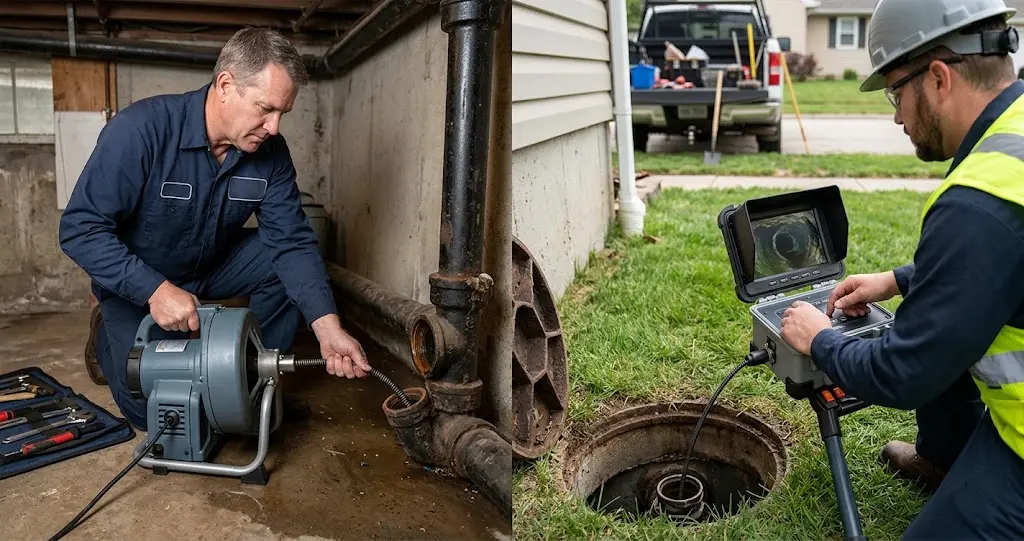
Sewer line repair fixes a cracked, clogged, or collapsed pipe that carries wastewater from your home to the municipal sewer or septic tank. A plumber finds the damage with a camera inspection, then clears the blockage or repairs the pipe. Small clogs need cleaning, while broken pipes need relining or replacement.
Warning Signs of a Damaged Sewer Line
Your home gives clear signals before a major failure. Watch for these:
- Slow drains in more than one fixture
- Gurgling sounds from toilets or sinks
- Sewage odors inside or outside the house
- Sewage backup in tubs, floor drains, or toilets
- Soggy patches or unusually green grass in the yard
Therefore, check every fixture before you buy a drain cleaner. If several act up together, the main drain or sewer line is the likely source.
Common Drain and Sewer Problems and Their Causes
The table below shows the most frequent issues and what triggers them.
| Problem | Typical Cause | Main Symptom |
| Tree root intrusion | Roots enter small cracks and joints | Repeated clogs, slow drains |
| Grease buildup | Cooking oil hardens inside pipes | Slow kitchen drain |
| Foreign objects | Wipes, hygiene products, toys | Toilet backup |
| Bellied pipe | Soil settles and creates a sag | Standing water in the line |
| Pipe corrosion | Old cast iron or clay pipes break down | Leaks, odors, collapse |
| Blocked vent | Debris or nests in the plumbing vent | Gurgling, slow flow |
Tree Root Intrusion
Roots seek water. As a result, they slip through tiny joints and grow into thick masses. Clay and older cast iron pipes suffer the most.
Grease and Foreign Objects
Grease looks liquid when hot. However, it cools, sticks to pipe walls, and narrows the passage. Flushable wipes cause similar harm because they never break down like toilet paper.
Aging and Collapsed Pipes
Clay, Orangeburg, and old cast iron fail after decades of use. Meanwhile, ground movement adds stress. A collapsed section stops flow completely and needs professional repair.
Bellied Pipes
A sewer line depends on gravity. When soil settles, the pipe sags and waste collects in the low spot. Consequently, you get repeated clogs that return soon after cleaning.
More Read: Leak Detection & Repair: Find Hidden Leaks Before They Cause Damage
Repair Solutions That Work
Your fix depends on the damage. Compare the main options here.
| Method | Best For | Digging Needed |
| Plunger or drain snake | Minor clogs | No |
| Hydro jetting | Grease, roots, heavy buildup | No |
| Pipe relining (CIPP) | Cracks and small leaks | Minimal |
| Trenchless repair | Damaged pipes under yards or driveways | Minimal |
| Full sewer line replacement | Collapsed or severely corroded pipes | Yes |
DIY Fixes for Minor Clogs
First, use a plunger on the affected fixture. Next, try a hand auger for deeper clogs. Avoid harsh chemical cleaners because they can damage old pipes.
Our plumbing repair guide covers these basics step by step.
Professional Repair Options
Main line problems need pro tools. A plumber runs a sewer camera to locate the break, then chooses the least invasive fix. Trenchless sewer repair protects your lawn and finishes faster than traditional digging. In addition, hydro jetting uses high pressure water to scrub pipe walls clean.
If the pipe itself has failed, read this next.
More Read: Pipe Repair and Replacement: Step-by-Step Homeowner Guide
How to Prevent Drain and Sewer Problems
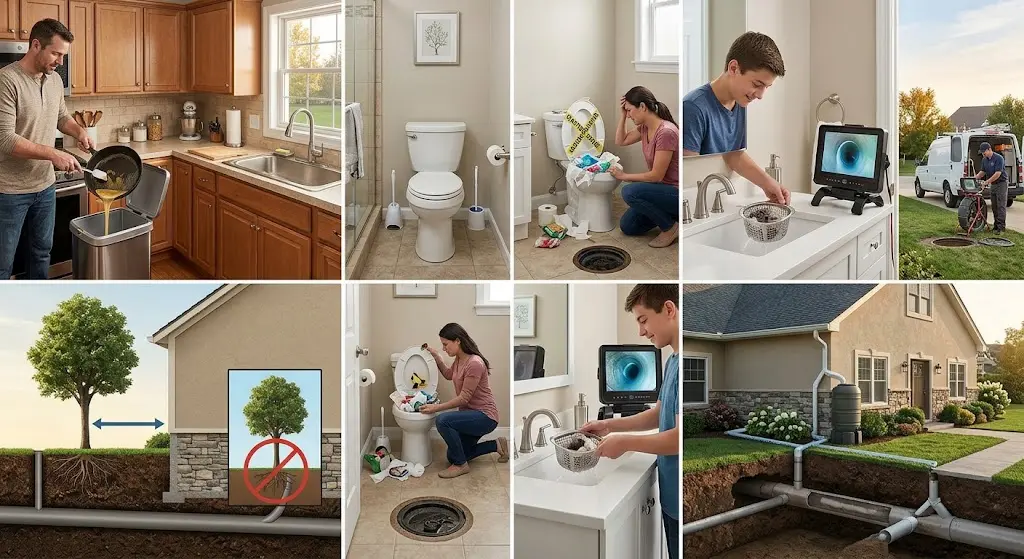
Prevention costs far less than emergency repair. Follow these habits:
- Throw grease in the trash, not the sink
- Flush only toilet paper and human waste
- Use drain strainers in kitchens and showers
- Plant trees away from the sewer line
- Fix dripping fixtures early. See faucet and fixture repair for easy fixes
Poor drainage around your foundation also stresses underground pipes.
More Read: Home Waterproofing Guide: Protecting Your Basement, Crawl Space, and Foundation
When to Call a Professional
Call a plumber right away if sewage backs up into your home. Sewage poses a health hazard, so keep children and pets away. Likewise, call a pro when several drains clog at once.
Also confirm who owns the damaged section. Homeowners usually maintain the line up to the property boundary, so check your homeowners insurance first.
Conclusion
Drain and sewer trouble rarely fixes itself. Spot the early signs, learn the causes, and match the repair to the damage. Minor clogs respond to simple tools, but collapsed pipes need expert care. Finally, build good habits and book regular inspections.
Frequently Asked Questions
How do I know if my sewer line is clogged?
Multiple slow drains, gurgling noises, and sewage odors usually mean a clogged sewer line.
What is the most common cause of sewer line damage?
Tree root intrusion is the most common cause, followed by grease buildup and aging pipes.
Can I repair a sewer line myself?
You can clear minor clogs yourself, but broken sewer pipes need a licensed plumber.
Is trenchless sewer repair worth it?
Yes, it limits digging, saves your yard, and often finishes faster than traditional replacement.
How often should I inspect my sewer line?
Inspect older homes every two to three years and newer homes every five years.
Pingback: 7 Warning Signs Your Septic System Needs Repair - Guide Home Repair
Pingback: Sump Pump Repair: Common Problems, Costs, and Solutions - Guide Home Repair